
Starting a Workplace Wellness Program: A Small Business Guide
Last Updated: November 12, 2026
Quick Summary
Start a workplace wellness program by surveying employees to find their real needs, then setting two or three measurable goals and a simple budget. Launch one free activity within 30 days, such as a walking challenge or stretch breaks, and expand from there.
Keep the employee survey to 5 or 6 questions, taking about 10 minutes
Set two or three goals you can track over 3 to 6 months
Pilot any new spending for one month before committing to a quarter
Build remote options such as video stretch breaks and asynchronous challenges from the start
Collect only anonymous feedback and aggregate participation counts, never individual health data
Want healthier snacks at work?
Benny's Vending offers smart vending and micro-markets with real-time restocking for Minnesota offices.
Table of Contents
Why Small Businesses Should Start a Wellness Program Now
Small teams often feel the effects of stress, poor sleep, and burnout faster than large companies do. When one person is out sick, the whole team feels it.
Employers often offer small incentives to get people to join. A U.S. Department of Health and Human Services review of workplace wellness programs found that employers commonly use small rewards to encourage participation (U.S.
Research on small businesses also points to a clear gap.
Small teams can start with one or two simple ideas
Remote and hybrid staff need wellness options that fit their schedules
You do not need a large budget to show employees you care
Step 1: Survey Employees to Find Real Needs
Ask your team what they need before you pick any activities. A short survey takes about 10 minutes to fill out and shows staff that their input matters.
A simple survey can ask:
Which health areas matter most to you? (sleep, stress, movement, eating)
What time of day is best for a break or class?
Do you work in the office, from home, or both?
Which free or low-cost activities would you join?
Watch out: Surveys that ask too many questions get skipped. Keep it to 5 or 6 questions.
Keep answers anonymous when possible. Anonymous answers tend to be more honest, especially about stress and mental health.
Step 2: Set Measurable Wellness Goals
Goals give your program direction. Pick two or three goals you can track over the next 3 to 6 months.
Examples of clear goals:
Get at least half of staff to join one wellness activity each month
Hold a walking challenge with a target of 500 total miles
Offer one healthier snack option in the break room every week
Run a short stress-relief session once a month
Write each goal in a simple format: what you will do, how many people, and by when. Check progress at the end of each month.
Step 3: Plan a Budget and Understand Program Cost
Most small-business wellness guides jump straight to vendor pricing. The more useful move is to decide what you are willing to spend before you shop, because the single biggest predictor of whether a program survives its first year is whether the cost fits comfortably inside an existing line item. A common pattern among small employers is to fund wellness out of an existing benefits, morale, or safety budget rather than requesting a new one.
Start with a zero-budget tier
You can run a credible first quarter at no direct cost. Free or near-free building blocks include:
Walking and movement challenges tracked in a free phone app or a shared spreadsheet
Stretch or walking breaks led by a volunteer on the team
Lunch-and-learn sessions with a local nurse, physical therapist, or trainer who will speak for 20 minutes in exchange for visibility
Shared recipe swaps and a water challenge with a shared daily goal
The trade-off is time, not money. A zero-budget program usually needs one motivated volunteer to keep it moving.
Then add a modest funded tier
Once you know people will show up, add spending in small, reversible increments. Explore zero-cost vending service options to see what no-cost programs include and how they compare. Common low-cost additions include:
Healthy snacks and drinks for meetings and the break room
A one-time class or workshop from a local instructor
Small participation rewards such as gift cards or team lunches
Printed materials or a simple recognition board
A useful rule of thumb is to pilot any new spend for one month before committing to a quarter. If participation drops when the novelty wears off, you have learned that cheaply.
Build the budget in four lines
Write your budget as four numbers so you can defend it later:
Activities, classes, challenges, events
Food and drink, snacks, meeting refreshments
Rewards and recognition, gift cards, small prizes
Break room and environment, healthier vending, water, seating, lighting
Track actual spend against each line monthly. If one line is consistently unused, move the money rather than asking for more.
Where break room upgrades fit
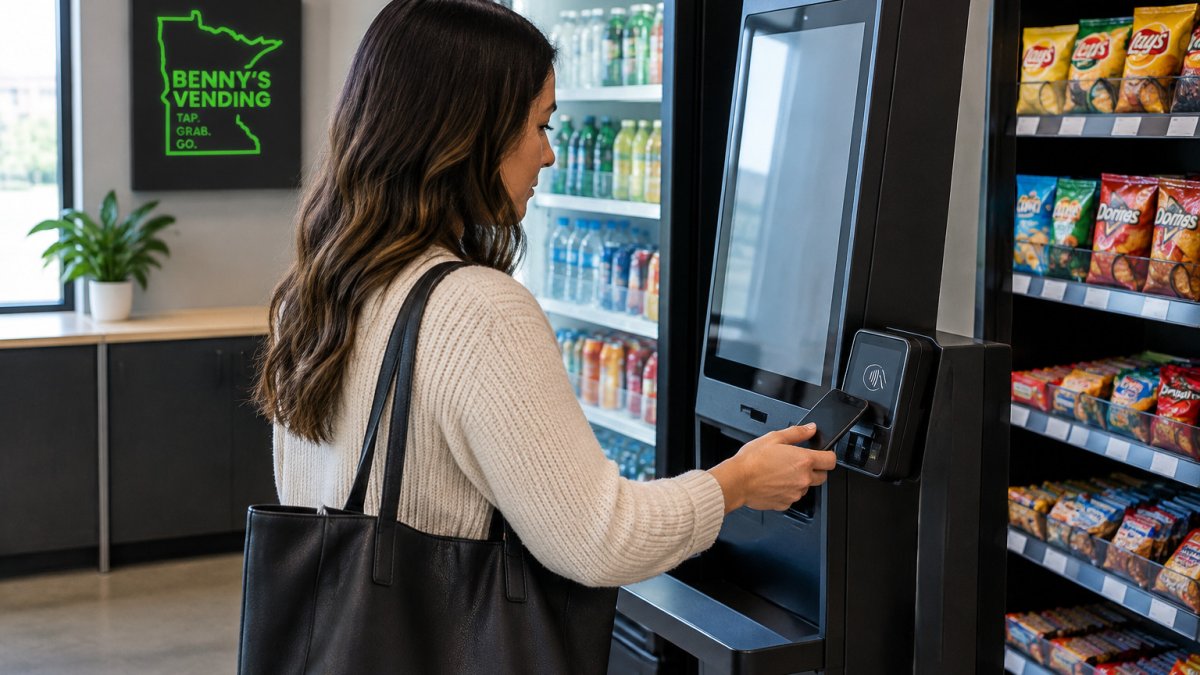
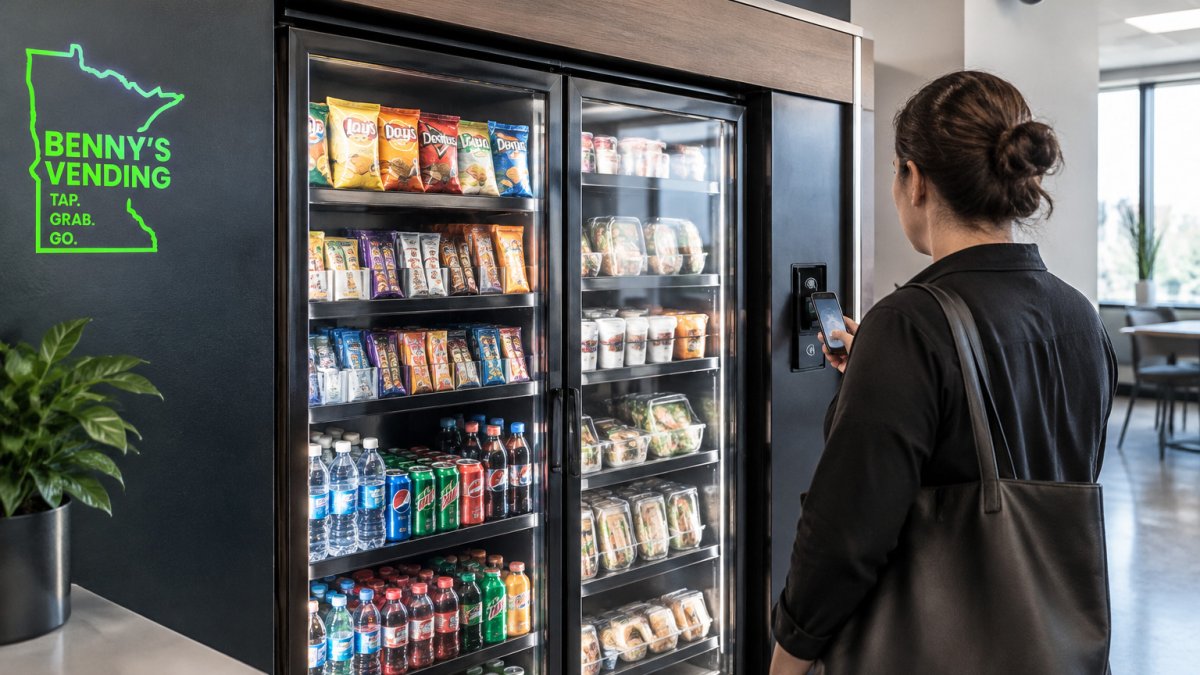
Healthier vending and micro-market options are a break-room line item, not an activities line item. Healthier vending and micro-market options can be added to your break room. See what drives upfront and recurring installation expenses before you commit.
Watch out: Do not promise a recurring reward, a monthly gift card, a standing lunch, before you have confirmed the budget will renew. Sustainable wellness initiatives require a stable foundation to Revive and Lift employee morale without the volatility of fluctuating financial commitments.
The article's budget guidance breaks down into tiers and a four-line budget, summarised below.
Tier or line | What it covers | Note |
Zero-budget tier | Walking challenges, stretch breaks, lunch-and-learns | Costs time, not money |
Funded tier | Healthy snacks, one-time classes, small rewards | Pilot each new spend for one month |
Activities | Classes, challenges, events | Budget line one |
Food and drink | Snacks, meeting refreshments | Budget line two |
Rewards and recognition | Gift cards, small prizes | Budget line three |
Break room and environment | Healthier vending, water, seating, lighting | Budget line four |
Step 4: Build a Program With Free Employee Wellness Program Ideas
Many wellness activities cost nothing at all. Pick two or three that fit your team's survey answers.

Free or low-cost ideas:
Walking challenge: Track steps with a free phone app for four weeks
Stretch breaks: Lead a five-minute stretch every afternoon
Potluck with healthy dishes: Ask each person to bring one fruit or vegetable dish
Lunch-and-learn: Invite a nurse or local trainer to speak for 20 minutes
Break room upgrades also help. Browse healthy snack vending solutions designed for workplace settings. Learn how smart vending machines for offices improve productivity and satisfaction.
!Small office team gathered around a table during a casual lunch break, sharing fruit and water bottles in a bright, modern workplace.
Step 5: Launch, Support Remote and Hybrid Staff, and Protect Privacy
Launch in the first two weeks
A launch that drags loses momentum. Pick a start date, announce it once, and run the first activity within 14 days. A short team meeting works better than an email because people can ask questions and see who else is joining.
Cover four things at the launch:
What the program is and why the team asked for it (reference the survey results)
What is optional, participation is voluntary, and opting out carries no penalty
How to join, one link, one sign-up sheet, one person to ask
What happens next, the date of the first activity and the next feedback check
A common pattern is to name one coordinator and one backup. Programs with a single owner tend to stall when that person is out.
Support remote and hybrid staff deliberately
Remote and hybrid employees are the easiest group to accidentally exclude, because most wellness activity is designed around a shared physical space. Build remote options in from the start rather than adding them later.
Run activities on a video call so remote staff can join stretch breaks and walking calls alongside in-office staff
Offer two time slots for any live session, and record one for people in different time zones or on flexible schedules
Use asynchronous challenges, step counts, water intake, sleep logs, that people update on their own time
Mail or ship small wellness kits to remote staff so they receive the same tangible items as the office
Watch out: Do not let remote staff become spectators. If every activity requires being in the office, remote employees will stop opening the announcements within a month.
Protect employee privacy from day one
Small teams worry, reasonably, that a wellness program will collect health information they are not equipped to protect. The safest approach is to collect as little as possible.
What you can generally collect:
Anonymous survey responses about interests and preferences
Aggregate participation counts, how many people joined, not who
Self-reported activity totals that employees choose to share
What you should avoid collecting:
Medical diagnoses, conditions, or medications
Individual health screening results stored by the employer
Anything that identifies a person's mental health status
Biometric data unless you have a clear legal basis and a secure system
A few practical rules keep small teams out of trouble:
Keep participation voluntary and say so in writing
Report only group results, never single out an individual's numbers
Use a third party for any screening so the employer never holds the records
Store survey data in one place with limited access, and delete it when the program cycle ends
If you are not sure whether a piece of data is safe to collect, do not collect it. Group-level participation and anonymous feedback are almost always enough to run a good program.
Wellness Program Examples and Best Practices to Follow
Look at what has worked for others. Good programs share a few traits: they match real employee needs, they are easy to join, and they get regular feedback.
Best practices to follow:
Involve a small team of volunteers to plan and run activities
Keep events short, friendly, and easy to attend
Recognize participation with simple, low-cost rewards
Ask for feedback every quarter and adjust
Good program examples include walking challenges, monthly health talks, and break room changes. Find practical, cost-effective breakroom upgrades that boost morale to guide your changes. Each one can start with a small budget and grow over time.
Your Next Step: Pick One Initiative and Launch It This Quarter
Choose one idea from this guide and launch it within the next 30 days. Start with the employee survey, set one goal, and run one free activity. Benny's Vending offers healthier break room options. Request a machine today to see what fits your team.
Frequently Asked Questions
How do I create a workplace wellness program?
Start with a short employee survey to find out which health concerns and benefits matter most to your team. Then set one or two measurable goals, such as participation rate or a specific habit change, and assign a small committee or single owner to run the program. Choose two or three initiatives you can sustain, launch them for a defined trial period, and gather feedback. Adjust based on participation and what employees say, then expand what works. Keeping the first version small makes it easier to finish and measure.
What is the average cost of an employee wellness program per employee?
Cost varies widely with the programs you choose, your headcount, and whether you use outside vendors. Some third-party providers quote per-employee monthly fees, but published figures are not consistent across sources, and you should request a written quote from any vendor before budgeting. Many small businesses reduce costs by starting with low-expense options like walking challenges, lunch-and-learns, and flexible schedules. Ask potential vendors for pricing based on your specific team size and services.
How do you measure whether an employee wellness program is working?
Track a few metrics tied to the goals you set at the start. Common measures include participation rate, employee satisfaction from short pulse surveys, changes in reported stress or sick days, and retention. Compare results against a baseline you captured before launch. Review them quarterly, share results with employees, and adjust initiatives that draw little interest. Measuring a small number of consistent indicators is more useful than tracking everything.
Are workplace wellness programs legal?
Yes, employers can offer wellness programs in the United States, but certain rules apply, particularly when programs include health screenings, health questionnaires, or incentives tied to health information. Federal rules under the Americans with Disabilities Act (ADA) and the Genetic Information Nondiscrimination Act (GINA) limit how these programs can be structured and how employee health data can be collected and used. Keep participation voluntary where required, protect confidentiality, and consult an employment attorney before adding incentives or medical data collection.

Comments